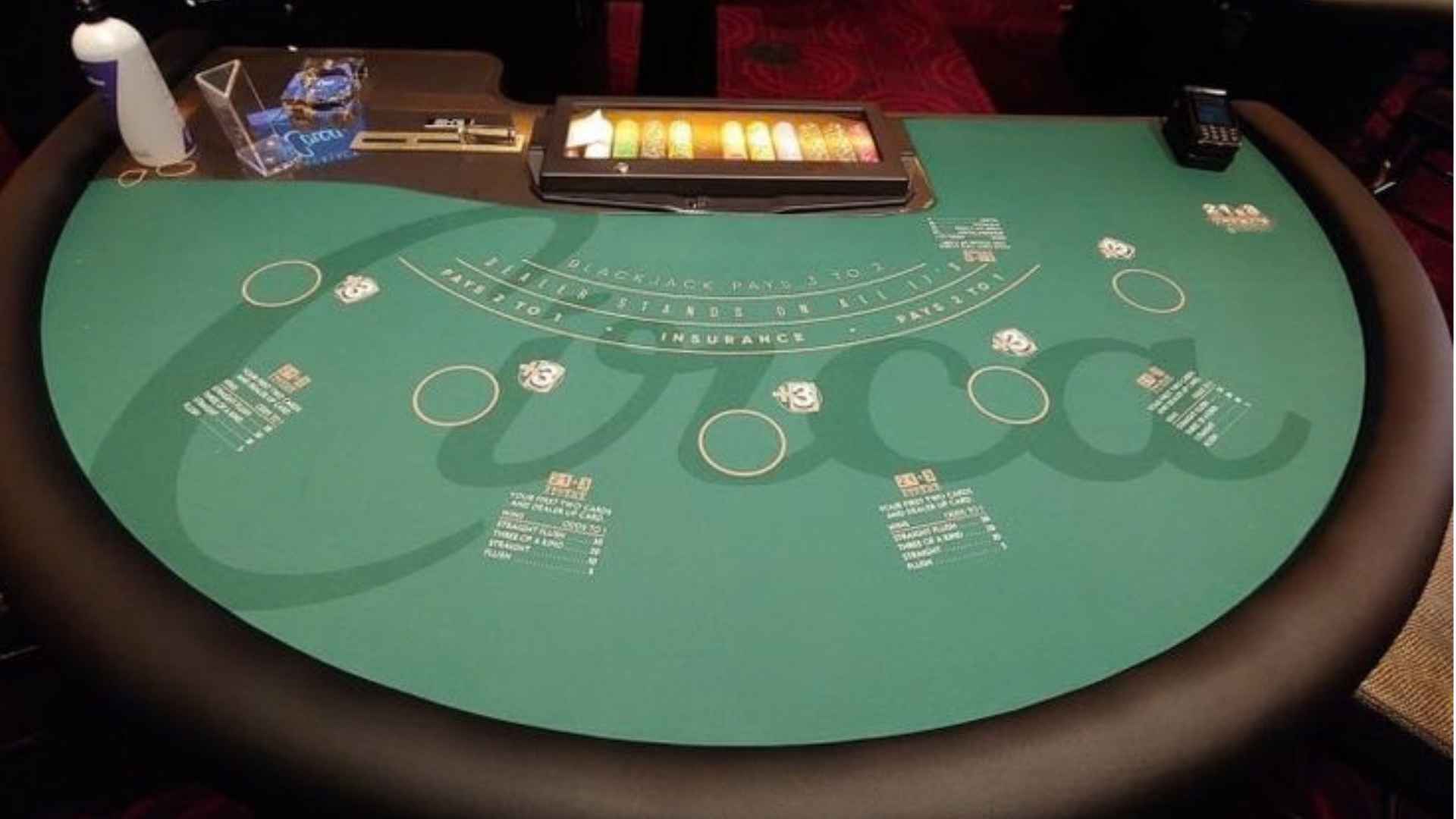
Stepping into a multi-table tournament requires an entirely different vocabulary than playing in a standard cash game. Because tournament poker is a survival-based sport with escalating blinds, players communicate strategy through unique linguistic shortcuts. Mastering this distinct dialect is essential for anyone looking to navigate fields smoothly and make high-stakes mathematical decisions under intense structural pressure.
The Vernacular of Shifting Chip Values
In a tournament setting, chips do not correlate directly to cash value, meaning your strategic approach must adjust based on stack depth. Players regularly describe their status relative to the current blinds by calculating their precise stack measurements in real time. Knowing whether you hold a deep stack or a short stack changes how you evaluate risks before the flop is dealt.
When a player faces extreme pressure due to dwindling resources, they often look for specialized training platforms to improve their tactical execution. Finding a reputable M88 Mansion portal can offer deep strategic insights into survival dynamics and chip preservation methods. Understanding these baseline measurements ensures that you can execute the correct math-based plays when survival becomes your top priority.
Navigating the Danger Zones and Survival Terminology
As the tournament progresses, specific terms outline critical boundaries that dictate how aggressively you should defend your position. The concept of the effective stack becomes the vital variable because it represents the maximum number of chips you can actually win or lose in a single hand. Guides emphasize this metric to prevent newcomers from overcommitting chips against opponents who have shorter stacks.
Another universal phase that every strategic playbook details is the tournament bubble, which marks the highly stressful period right before the prize payouts begin. During this phase, short-stacked players employ a stalling strategy to outlast their competitors, while larger stacks maximize their aggression to steal uncontested pots. Recognizing how behavior shifts during these specific milestones allows you to protect your tournament life efficiently.
Understanding the Advanced Action Frequency Dialect
Modern tournament literature focuses heavily on specific betting lines that occur frequently when players fight over the dead money in the pot. Expressions like the three-bet or light squeeze describe specialized preflop re-raising patterns used to isolate opponents or force quick folds. Learning these specific phrases allows you to analyze tournament broadcasts and participate in complex strategy discussions without confusion.
Furthermore, analytical competitors rely on the turn probe node to describe situations where a player bets out of position after the preflop aggressor checks behind on the flop. This advanced jargon simplifies intricate tactical scenarios into single terms, helping you process real-time table data much faster. Internalizing these professional phrases transforms vague intuitive guessing into structured and repeatable execution during critical moments.