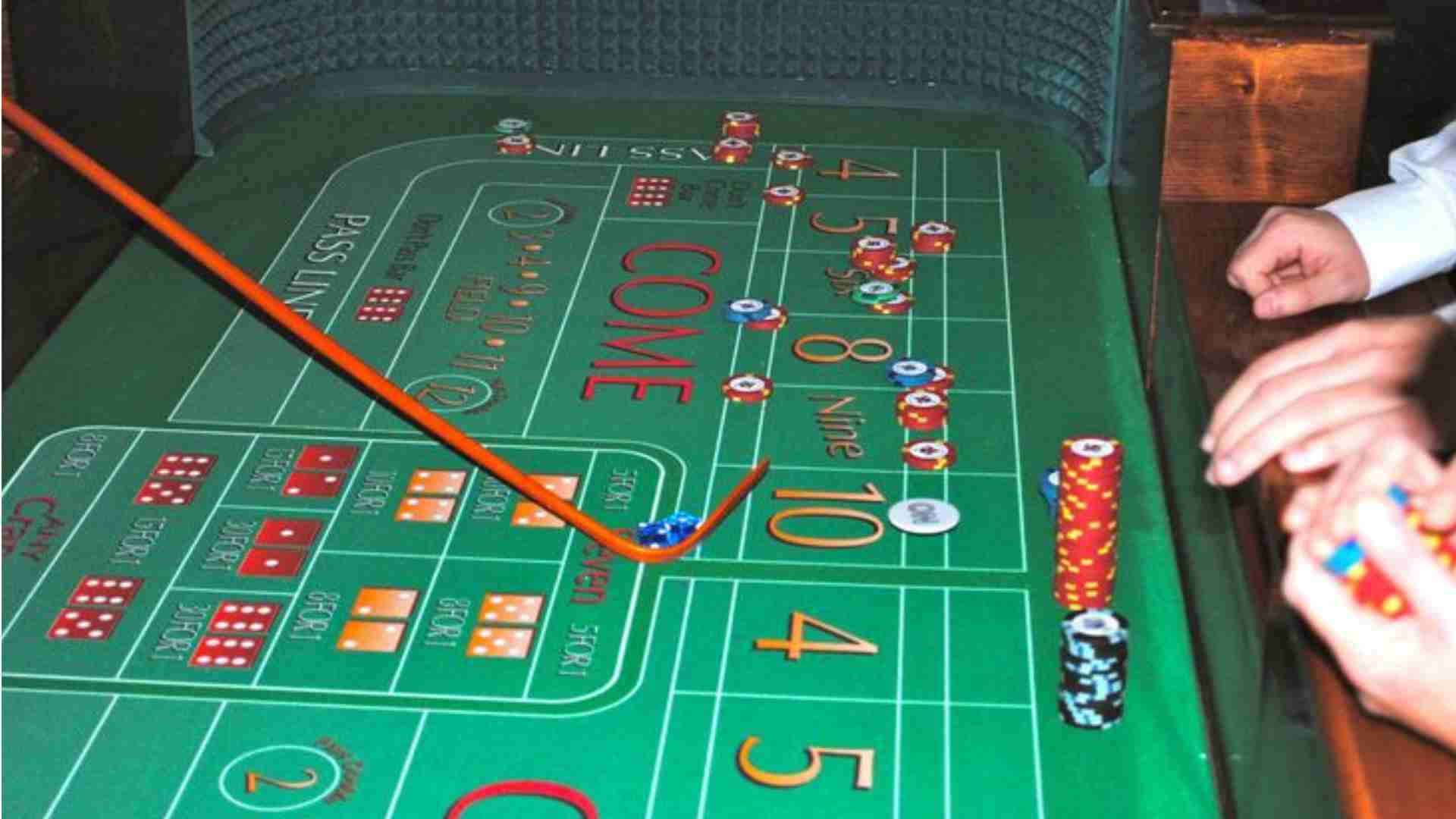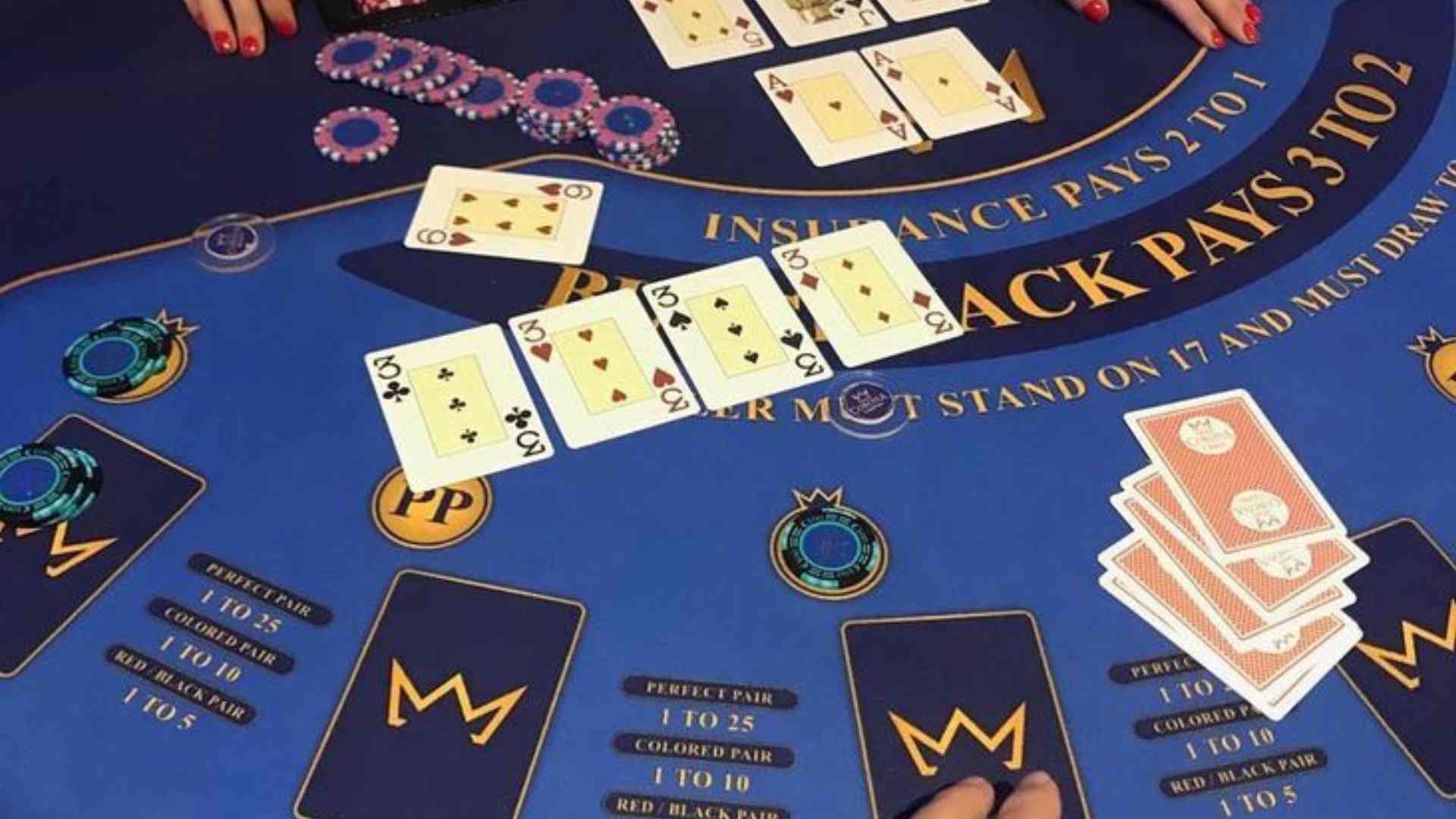
While game design often focuses on rulebooks and artwork, physical feedback plays a critical role in how players experience tabletop games. The auditory resonance of clattering components and the physical heft of pieces create an immediate sensory connection. These physical qualities elevate simple interactions into memorable gameplay moments.
The Psychology of Physical Weight in Board Games
Holding substantial game components gives players a tangible sense of control and importance during their turns. Heavier pieces, such as metal coins or solid resin dice, signal high quality and enhance emotional investment. When players handle substantial materials, their immersion naturally increases.
This physical feedback is why upgrade kits and custom components have become so popular among hobbyists. Replacing lightweight plastic tokens with weighted alternatives completely alters how players perceive game actions. The added mass makes every decision feel more impactful and deliberate.
How Auditory Feedback Heightens Dramatic Tension
Sound provides immediate confirmation of physical actions in board games, creating a shared sensory landmark for everyone at the table. The sharp click of acrylic tiles or the deep thud of dice rolling across wooden surfaces heightens suspense. These auditory cues help build dramatic anticipation right before an outcome is revealed.
Sound dynamics also enhance digital gaming environments, where physical components are simulated electronically. Players seeking quick entertainment online often enjoy engaging experiences like m88 slot, where sound effects and visuals combine to create sensory excitement. In both physical and digital settings, audio feedback sharpens focus and keeps players immersed.
Materials and Production in Modern Game Crafting
Modern board game publishers invest significant research into selecting materials that balance durability, acoustics, and weight. Dense hardwoods, zinc alloys, and heavy cardstock are frequently chosen to provide tactile satisfaction. These deliberate material choices improve both longevity and user satisfaction.
Proper component design prevents table fatigue during longer gaming sessions while maintaining high tactile appeal. Game designers test how pieces feel in hand to ensure smooth handling without sacrificing the satisfying weight. The result is a refined physical product that rewards repeated play.
Enhancing Session Atmosphere Through Sensory Design
Integrating tactile and auditory elements creates a richer atmosphere that draws players away from digital screens. Premium accessories like padded dice trays and neoprene playmats dampen harsh sounds, refining audio feedback into pleasant tones. These upgrades transform standard game nights into luxurious, sensory-driven events.
Ultimately, tactile weight and sound design are essential pillars of modern tabletop entertainment. By appealing directly to human touch and hearing, publishers craft deeply engaging experiences that resonate long after the game ends. Investing in sensory components ensures that every turn feels uniquely satisfying.